

Rajiv Vinnakota on why civic preparation should be central to the college experience
Young people are not indifferent about the future of the country. They want to contribute, solve problems, and make their communities stronger.
Too often, they simply do not know where to begin.
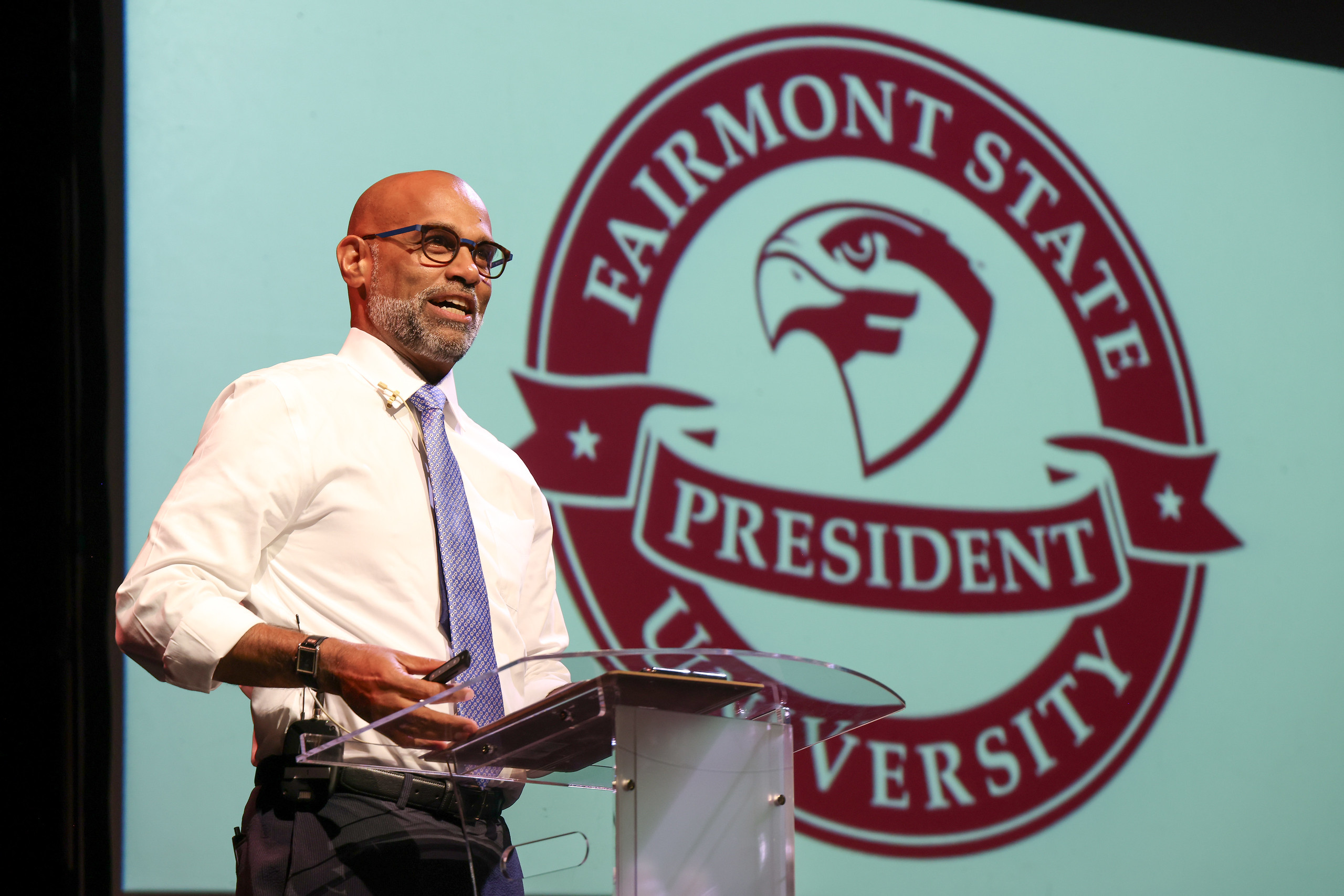
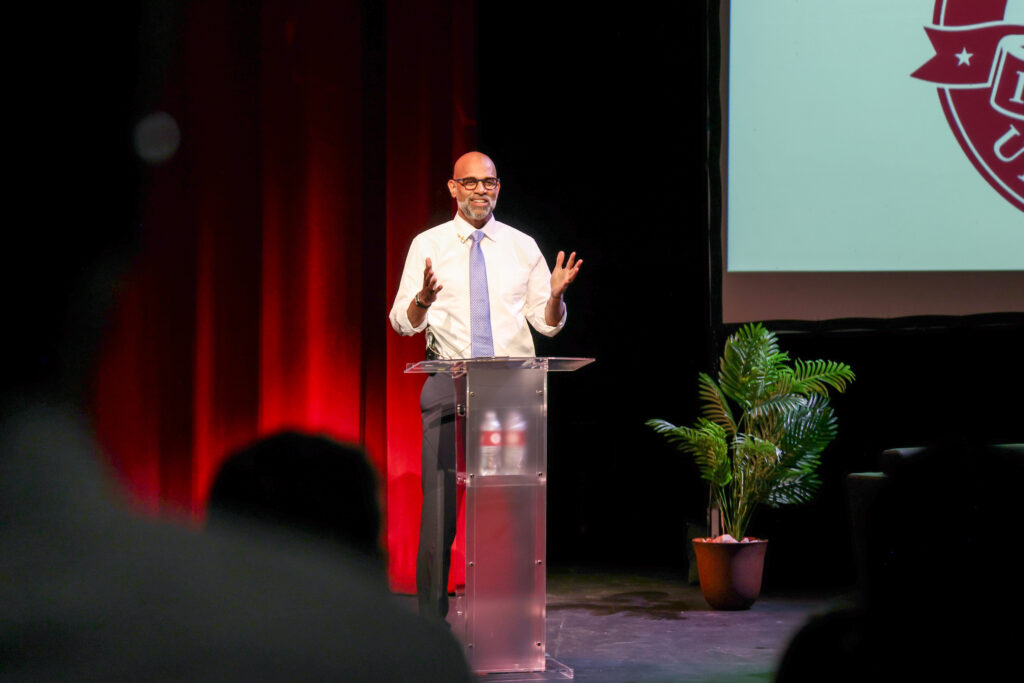
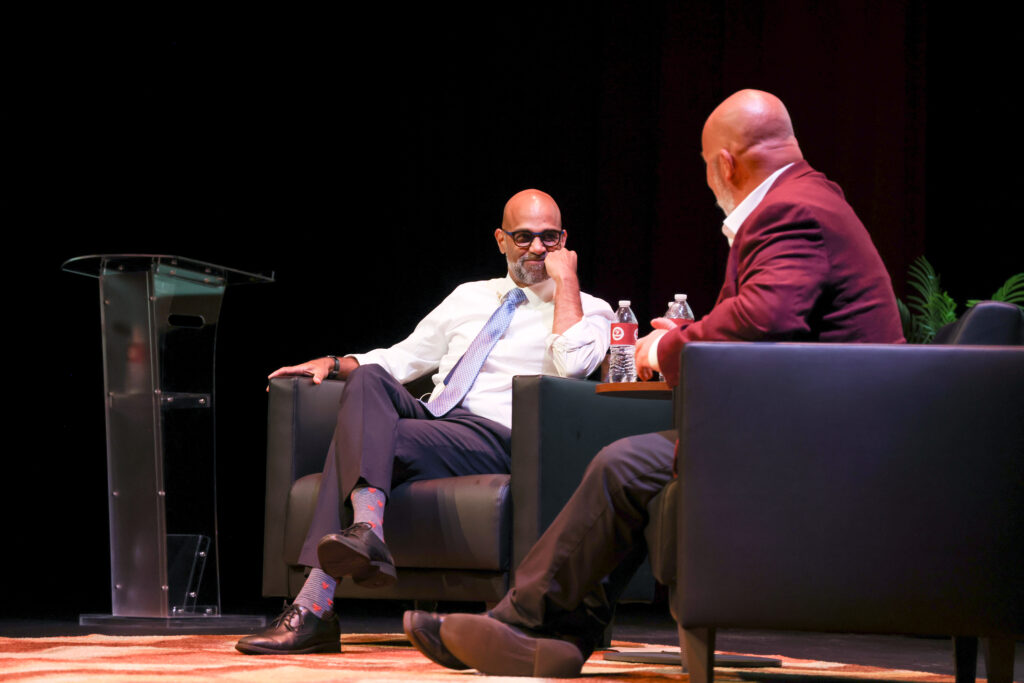
That was the message C&S President Rajiv Vinnakota brought to Fairmont State University, where he spoke with faculty, staff, students, and community members about higher education’s responsibility—and opportunity—to prepare students not only for work, but for life in a diverse and changing country.
“Preparing students for civic life is fundamental to the mission of higher education.”
Raj pointed to C&S’s Gen Z Vibe Check: nine in ten young people say they want to make a difference in their communities, yet roughly half do not know how to get started.
Colleges can help close that gap.
Civic preparation should be part of the college experience
Students need civic knowledge. But knowledge alone is not enough.
They also need repeated opportunities to practice the skills that allow them to participate, work with others, and solve problems in the world around them.
Across C&S’s College Presidents for Civic Preparedness coalition, campuses are working to make three essential civic skills part of the student experience:
- Having Productive Conversations
- Using Credible Information
- Collaborating to Create Solutions
The goal is not another standalone program or one-time event. It is a campus culture where students practice these skills in classrooms, residence halls, student organizations, community partnerships, and everyday interactions.
As Raj told the audience, everyone has a role to play.
Faculty can build these skills into how students learn. Staff can create opportunities to practice them beyond the classroom. Students can help shape a culture of curiosity, participation, and collaboration. And community partners can give students opportunities to work alongside their neighbors on real challenges.
Civic skills are becoming even more important in an age of AI
The same skills students need to participate in civic life are increasingly important in the workplace.
As artificial intelligence changes how people learn and work, distinctly human abilities—communication, judgment, collaboration, curiosity, and the ability to make sense of complex information—become more valuable, not less.
“These are not soft skills,” Raj said. “They are the hard foundation of successful careers.”
That convergence presents higher education with an important opportunity: colleges do not have to choose between preparing students for work and preparing them for citizenship.
They can—and should—do both.
Stronger students. Stronger campuses. Stronger communities.
Civic preparation can also strengthen the relationship between colleges and the communities around them.
Trust grows when people can see students and institutions listening to their neighbors, using credible information, and working alongside others to address local challenges.
That means civic preparation can deliver a double impact: helping students become more capable participants in American life while demonstrating the value colleges bring to the places they call home.
Across the country, colleges are beginning to move from isolated civic programs toward campuswide approaches that reach every student.
The ambition is straightforward but significant: every student should leave college not simply having learned about civic life, but having practiced how to participate in it.
As Raj concluded:
“It is on all of us to make sure they leave college not as spectators to that future, but prepared to shape it.”