

By Anthony Akator Jr., YAC Member
On a hot summer day in Tucson, I marked the end of a chronological space.
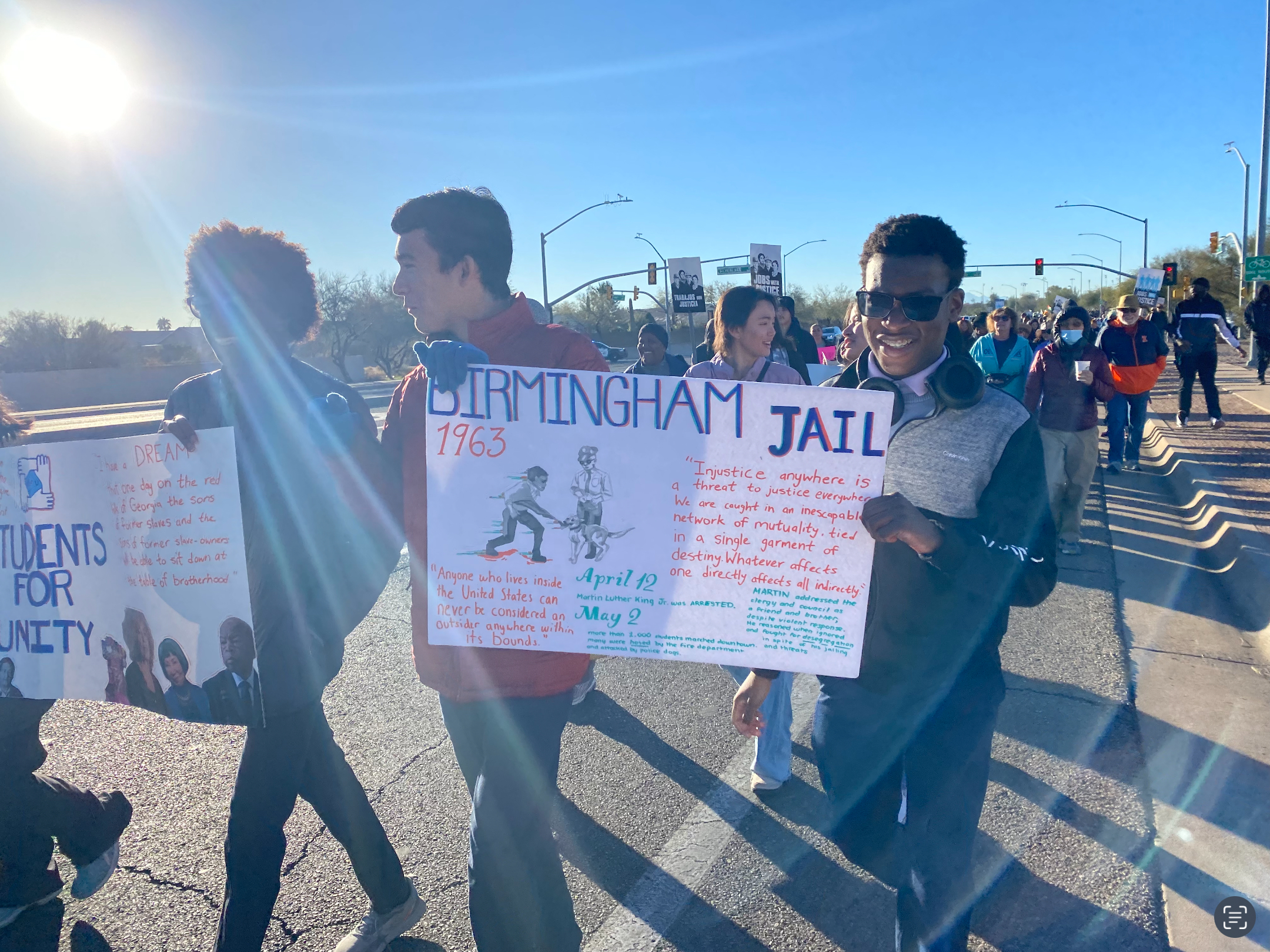
Starting in the tenth grade and continuing on throughout my time in high school, I became deeply involved with my local NAACP chapter. That blistering day would mark my last day as the president of the youth council. The NAACP is the largest civil rights organization in the country, but for me, it was a small but integral step in connecting with my community. I went to a charter school filled with young people immeasurably invested in their futures, and yet at the same time deeply distant from their communities.
The “BASIS bubble,” as we would call it, meant that our school would send many students to top colleges and incredible opportunities, but fail to equip students to build connections with their community.
I spent much of my adolescent years in high school feeling disconnected from my home of Tucson and increasingly isolated from the Black community. There were only three Black students in my graduating class, and the excellent education I received at my high school meant that I would enroll at Williams College, once again a fantastic school, but a school with similarly low levels of Black enrollment. The NAACP became a space where I could construct connections with the Black community and meet with young people from different backgrounds and backyards.
As I bundle blankets together and ceaselessly shiver in the unforgiving climate of Western Massachusetts, I look back nostalgically on all the summer days and warm memories I took for granted during my time with my local NAACP.
On the way home from that meeting, I had a pleasant conversation with an Uber driver, a sweet old lady born and raised in Tucson. She lended me an earnest ear as I spoke about my past and expressed ambition and anxiety over my future. Every thought she articulated assuaged my anxiety and made me feel confident I could take on new challenges. We spoke about the city we love, the people we cherish, and life advice for a young person making their way in the world.
I think about that conversation constantly, and I often wonder what prevents young people from having such robust conversations with older generations and what we can do about it. For me, the answer lies in understanding chronological spaces and transforming them into collaborative systems. Chronological spaces are spaces chiefly defined by age and stages of life, inseparable from life. For instance, schools are chronological spaces for young people, work offers chronological spaces primarily for middle-aged folks, and nursing homes are chronological spaces for our elders.
The problem with this current dynamic is that it encourages individuals to solely interact with their agemates. Often, the only time we interact with someone from a different generation is when there is a large power imbalance. Whether we are talking about young people with their teachers, middle-aged folks with their bosses, or our elders with their caretakers, our chronological spaces are dominated by power imbalances that prevent robust connection. When someone has authority over someone else, it becomes difficult to display dimensions of our personality.
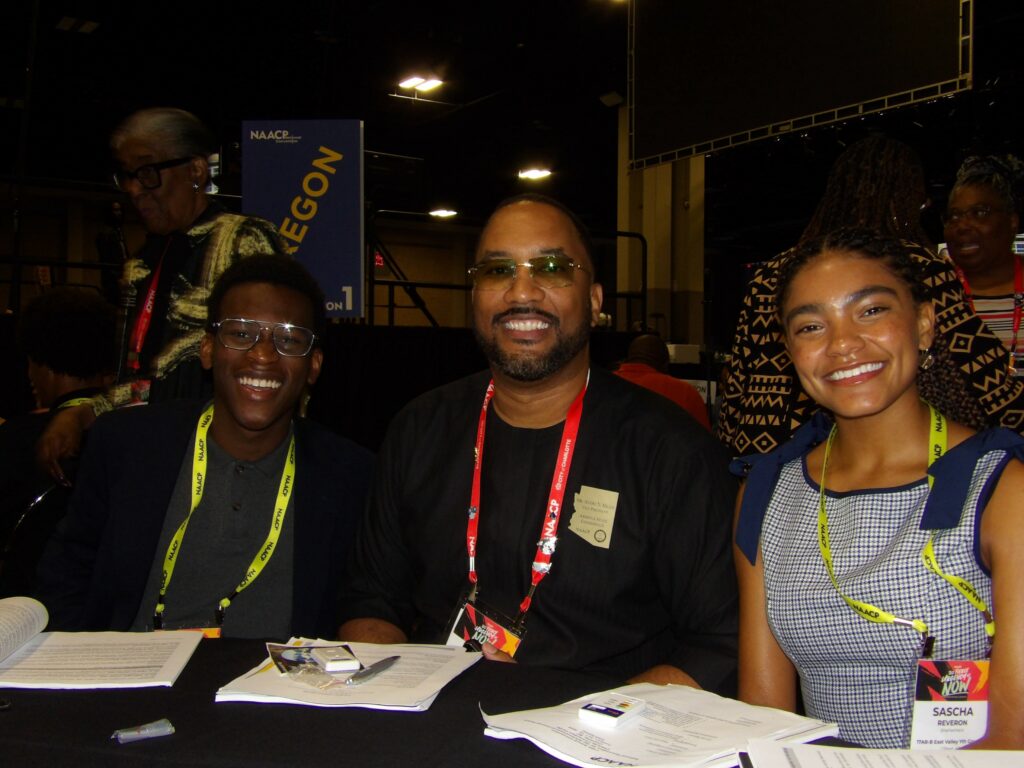
What can we do about our chronological spaces? We must transform chronological spaces into a welcoming atmosphere for all ages. There is so much discourse about giving young people a seat at the table, but we ought to ask ourselves, is this a table that a young person would like to dine at? We can talk all day about elevating the voices of young people, but that strategy only works if young people want to speak.
That aim of fostering cordial and collaborative systems is what makes the work of C&S distinct. Recently, I had the pleasure of attending a C&S Board of Trustees dinner.
What made the conversation extraordinary was not just the rich discourse but the reverence I developed for those who made up the board. I remain enamored with the board, and it taught me a lesson about building bridges between young people and older generations; young people and older generations can only work together and value each other if they are given opportunities to demonstrate why their perspectives are important.
The only way you get a young person to talk to an older person is if you show that young person why that elder is worth talking to.