What Americans want for the future of college—and how we get there.
Americans haven’t given up on college, but trust is no longer automatic. Today, belief is conditional: show the proof.
People want to see what students are learning, how it leads to real opportunity, and ways colleges are making a difference in their communities.
Many institutions are already doing this. The problem? The public isn’t seeing it.
Part of a broader national effort, C&S commissioned this report, supported by the John D. and Catherine T. MacArthur Foundation, to identify what it will take to make that work visible in a more skeptical moment for our country.
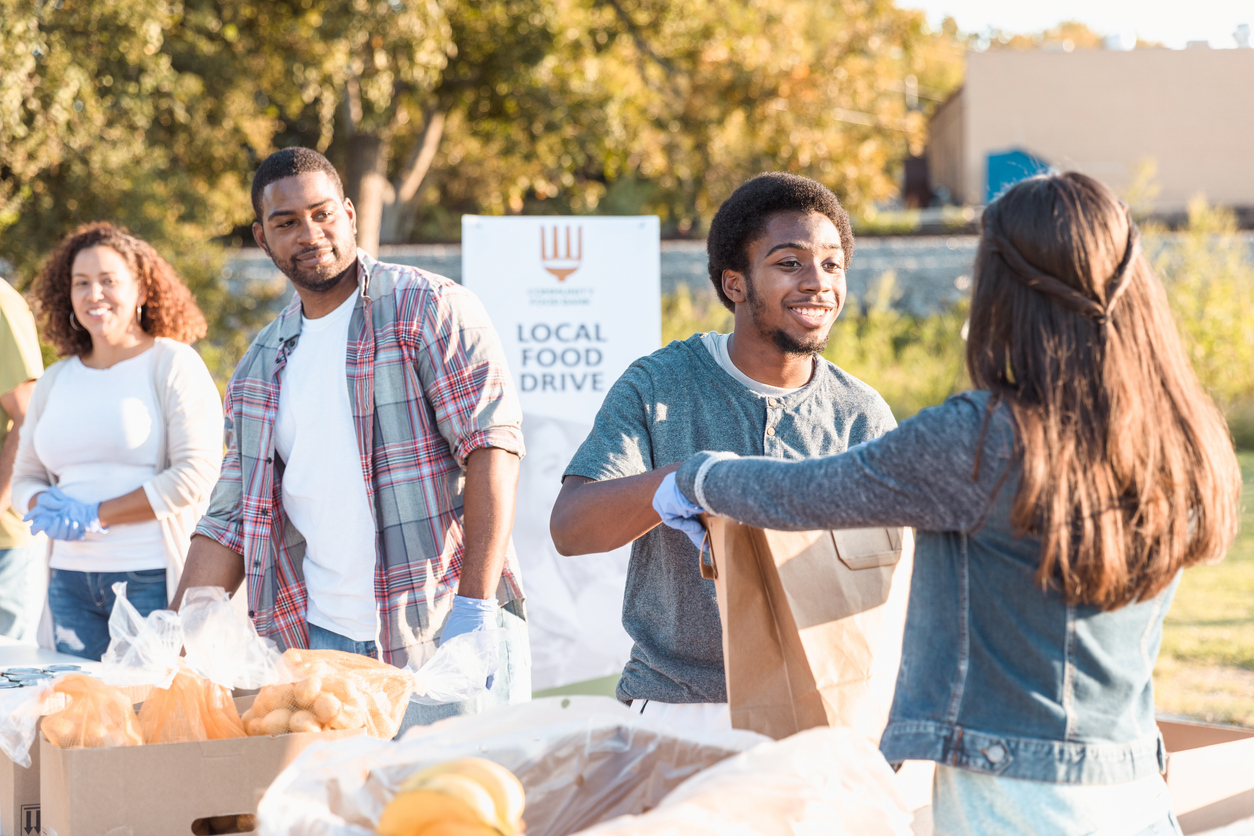
People trust the college down the road more than “higher ed” in the abstract. 81% are open to taking part in activities at a local college, and 79% say the best place for colleges to make an impact is in their own community. People want colleges to show up, solve problems, and work alongside them.
The ambivalent majority is waiting to be convinced.
Most Americans are neither champions nor critics of higher education. Nearly half (45%) of Americans fall into a movable middle—people who believe in the promise of college but want to see it evolve. There is a 30-point gap between how important people rate trust-building qualities and how well they think colleges deliver on them.
Higher ed doesn't have a PR problem. It has a proof problem.
Most people still see colleges as important to the country’s future (77%) and to prepare informed citizens (75%). But that support comes with expectations. Cost dominates how people judge higher ed, and 69% say colleges need to change how they operate.
Confidence
74% of Americans trust colleges to do what is right — holding across racial groups, education levels, and political parties
Expectation
69% say higher education needs major changes
Opportunity
79% agree that the best place for colleges to make a real impact is in their local community
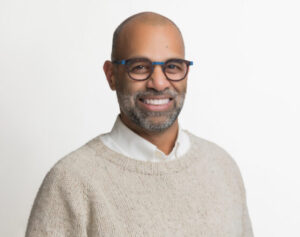
“Americans are asking hard questions about cost, value, and purpose. People haven't given up on college, but they want proof that it's producing real value for students, the community, and our nation.”"
Raj Vinnakota
President
What's your perspective on higher ed?
Rather than slicing Americans by party, education, or geography, our research identifies six audience mindsets based on how people think about higher education.
There’s no one right answer. Share your perspective and what higher ed can do to address your concerns.
All-In Ally
Highly supportive of higher education and confident in its societal role.
Constructive Critic
Believe in higher education, but worry institutions have drifted from their core mission.
Civic-Minded Reformer
See colleges as important civic institutions, but want stronger community impact.
ROI Skeptic
Evaluate college primarily through economic value and career outcomes.
Disconnected & Disillusioned
Feel distant from higher education and unsure it serves people like them.
Hardline Opponent
Hold deeply negative views and are unlikely to change perspectives in the near term.
Add your perspective
Tell us what would actually make higher ed show up better for people like you.
Turning Insight Into Action
Nearly half (49%) of Americans fall into a movable middle—people who believe in the promise of college but want to see it evolve. Higher ed leaders can strengthen public trust by making their work more visible and more connected to the communities they serve.
Inside the playbook, you’ll find practical examples of how to:
highlight student projects that address community challenges
elevate partnerships with employers and civic organizations
show how learning shows up beyond campus
communicate outcomes in clear, plain language
Go Local.
Build partnerships with businesses, civic organizations, and community leaders. Colleges that show up as community anchors—not just academic institutions—will earn deeper trust.
Make the Local Visible.
Make community impact a throughline—both in how the institution shows up locally and how it prepares students to improve the communities they will shape.
BE HONEST ABOUT THE WORK AHEAD.
Americans know there is work to do and want to help. Closing the gap in visible, public ways builds trust faster than polish.
“Many colleges are already doing this work. The public just isn't seeing it yet. The opportunity is to tell those stories more effectively, through community voices and in the places where people actually are."
Jay Geneske
Chief Communications Officer
Looking for more detail?
Download the full research and supporting materials.
Survey Findings
Full data and insights from our national survey.
Media Scan
Analysis of how higher ed is covered in the media.
Mindset Segmentation
Explore data behind the six audience mindsets.
Get the download
Join our Newsletter
Get the latest updates from C&S about new initiatives, fellowships and opportunities for young people and community leaders across the country.